What It’s REALLY Like to Sleep in an Ice Room: Review of the Icehotel in Sweden
The Icehotel in Jukkasjärvi, Sweden, is one of those rare places that feels part dream, part dare. I read about the Icehotel years and years ago (it’s been around since 1989), and it’s been on my bucket list ever since. Then I found a tour with one of my favorite active travel companies – Backroads – that included a stay at the Icehotel and in a glass igloo in Finland, so that sealed the deal, and, in February of 2022, I made it happen.
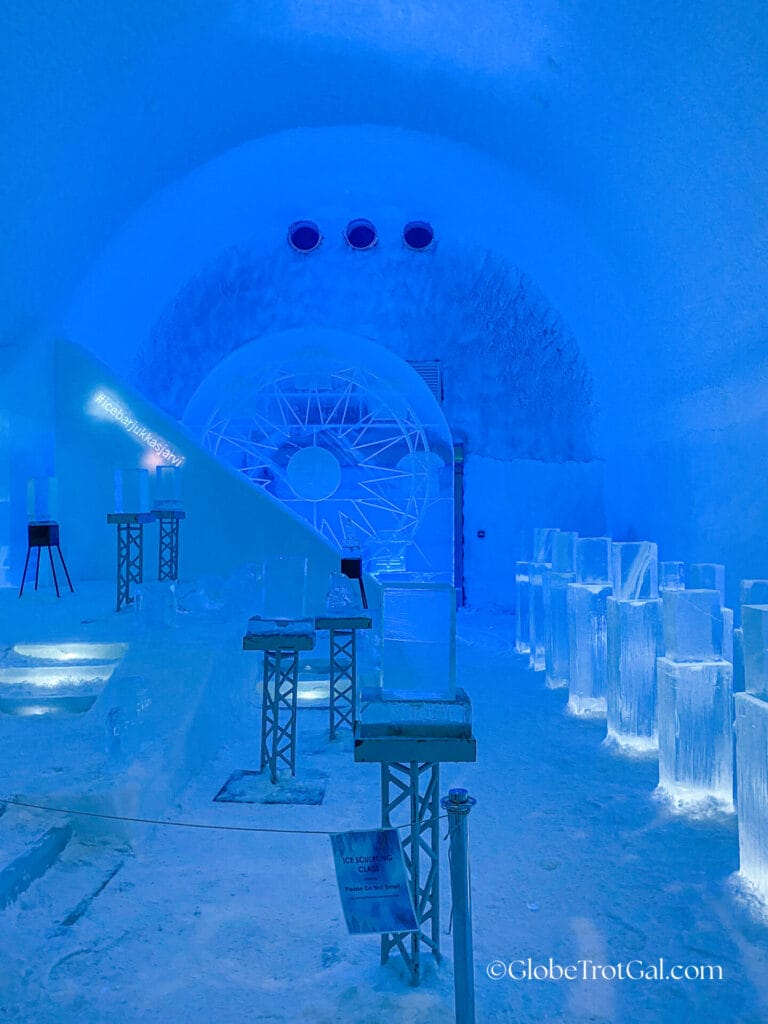
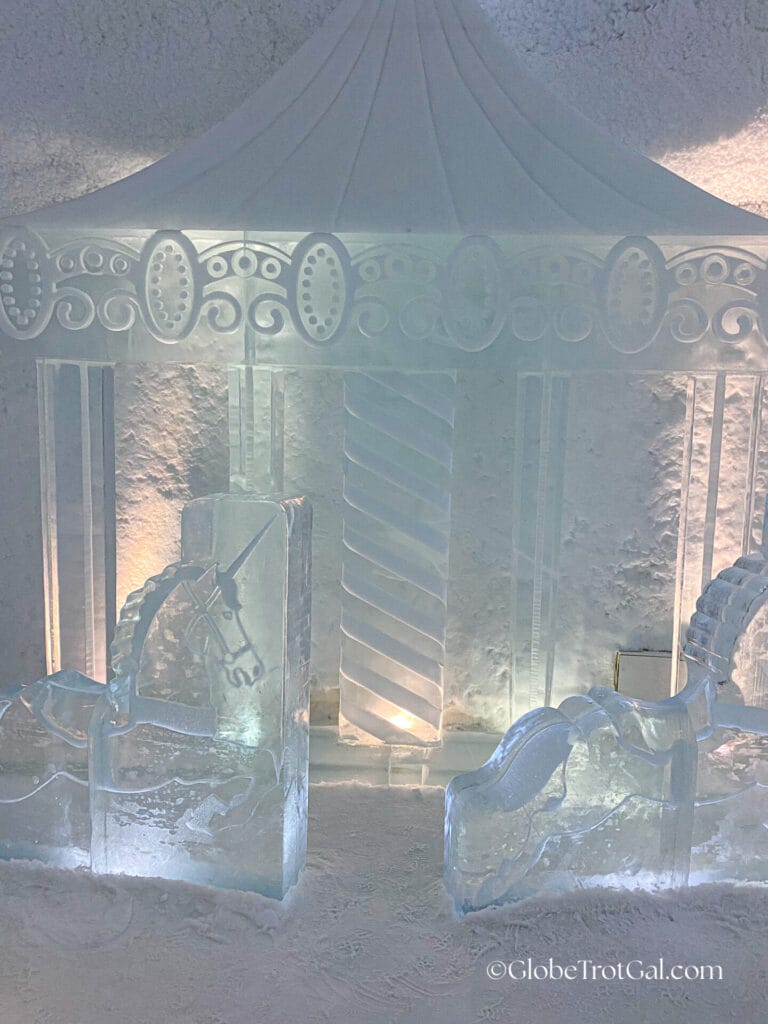
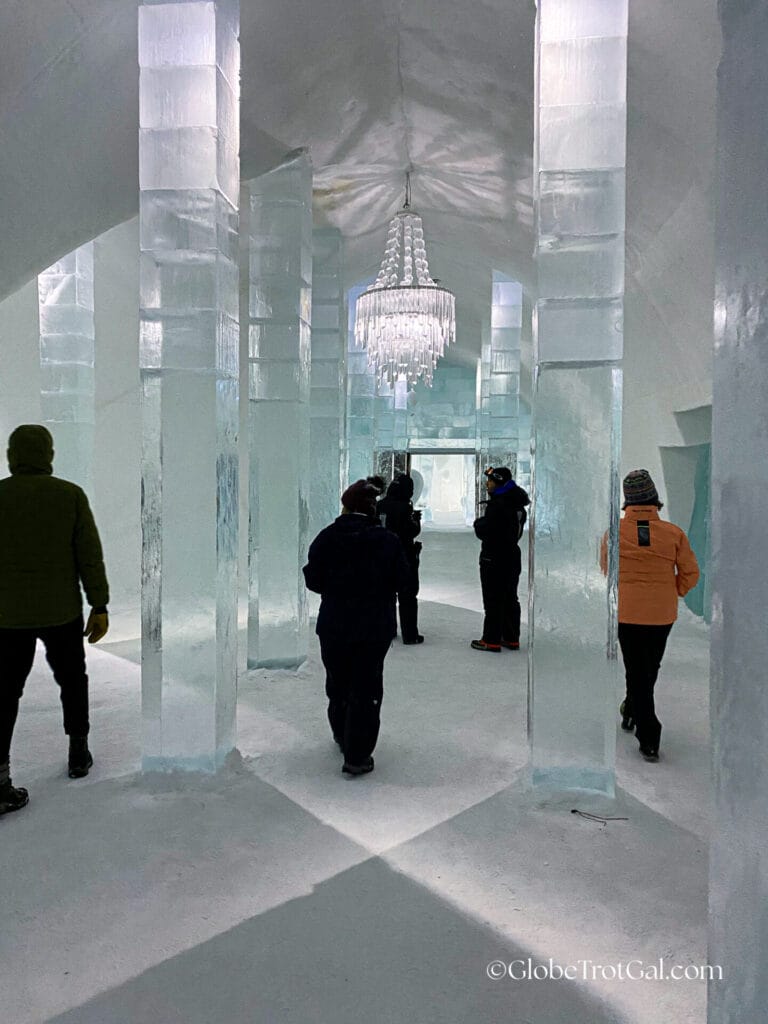
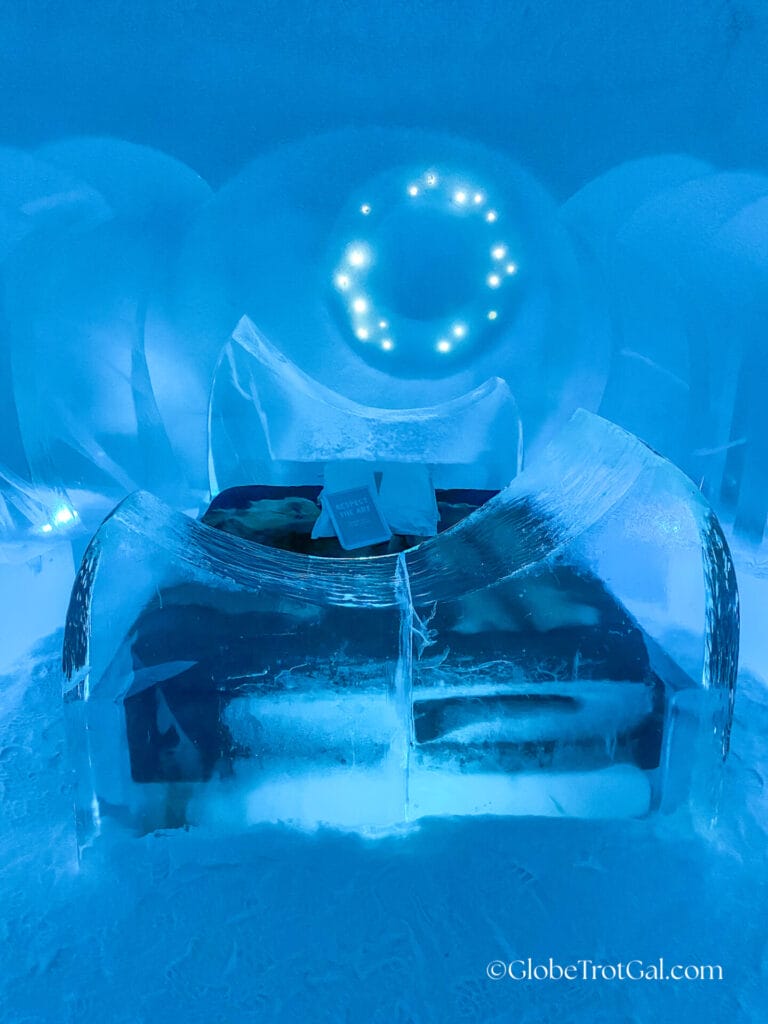
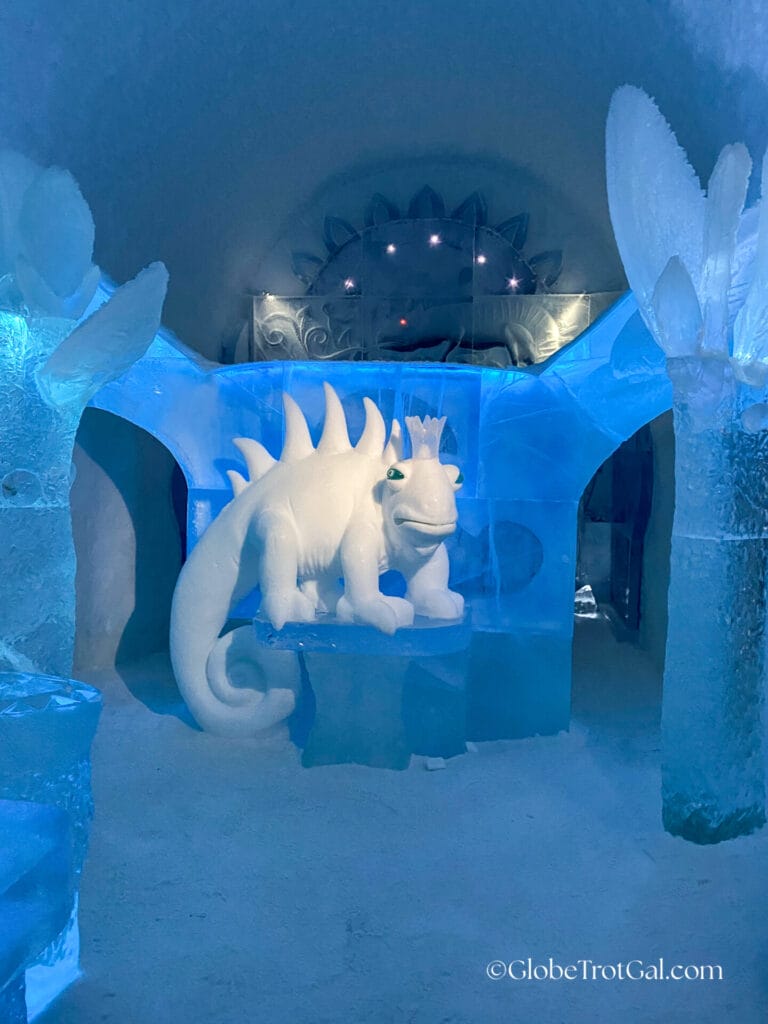
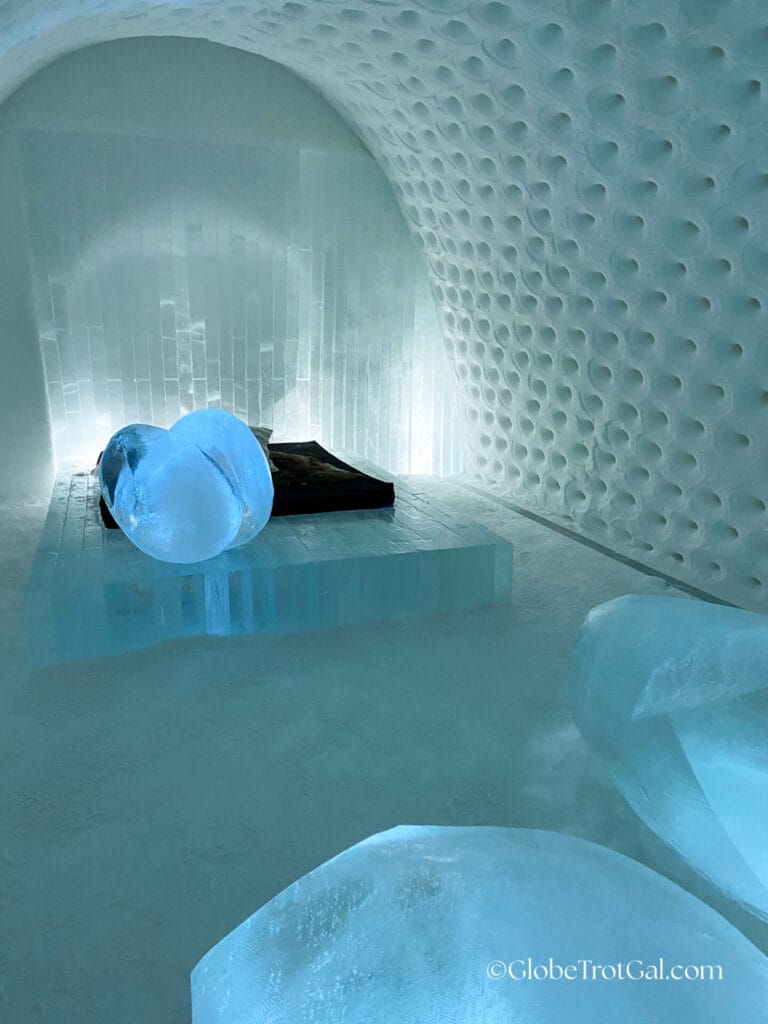
Visually, the Icehotel didn’t disappoint at all. In fact, I would argue that pictures don’t do it justice. It’s a masterpiece of ice and snow rebuilt every winter, a showcase of breathtaking artistry and structural ingenuity (and clever lighting design). Staying there, particularly in one of its famous ice rooms, is an unforgettable experience. For me, sleeping in an ice room was a once-in-a-lifetime adventure—emphasis on once. Would I go back to the Icehotel? Absolutely, in a heartbeat. But I’d opt for a warm room. Sleeping in a room that hovers at 19F-23°F (-5°C to -7°C) was incredibly memorable, but ultimately not something I’d voluntarily choose to repeat.
Here’s everything you need to know about what it’s really like to sleep (or try to sleep) in an ice room to decide for yourself if you’re up for it (but even if you aren’t, don’t let that stop you from visiting the Icehotel – it’s well worth it!)
Just so you know: Some links on this page are affiliate links, which means I might earn a small commission if you book or buy through them, at no extra cost to you. It helps keep the coffee flowing and the stories coming, so thanks for your support! Privacy Policy | Full Disclosure
Where Is the Icehotel?
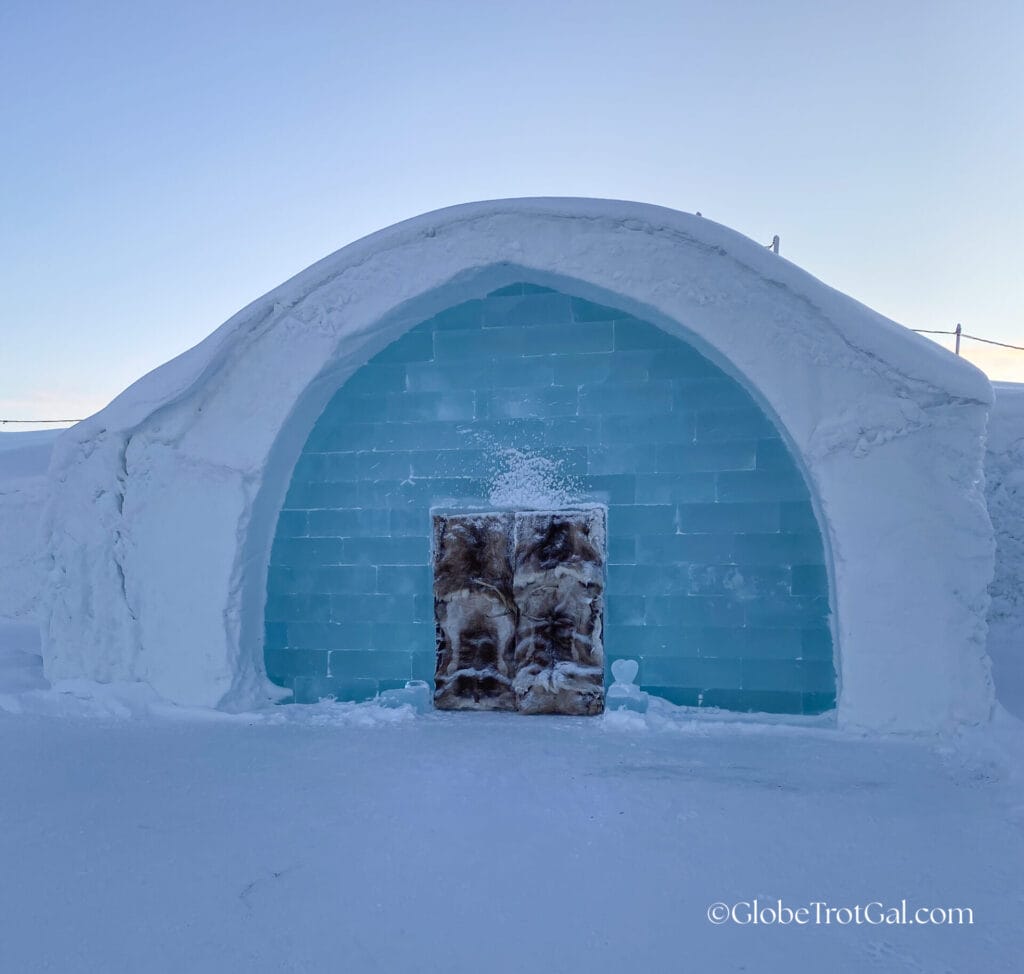
The Icehotel is located in the small village of Jukkasjärvi, about 20 minutes from Kiruna in Sweden’s far north. It’s about 200 kilometers above the Arctic Circle, meaning deep snow, long nights in winter, and potential Northern Lights magic. The best way to get there is to fly into Kiruna Airport (KRN) and take a 20-minute taxi or shuttle (or dogsled ride!) to the hotel. You can also take a train to Kiruna; the train station is about 10 minutes from the hotel.


What Is the Icehotel Like?
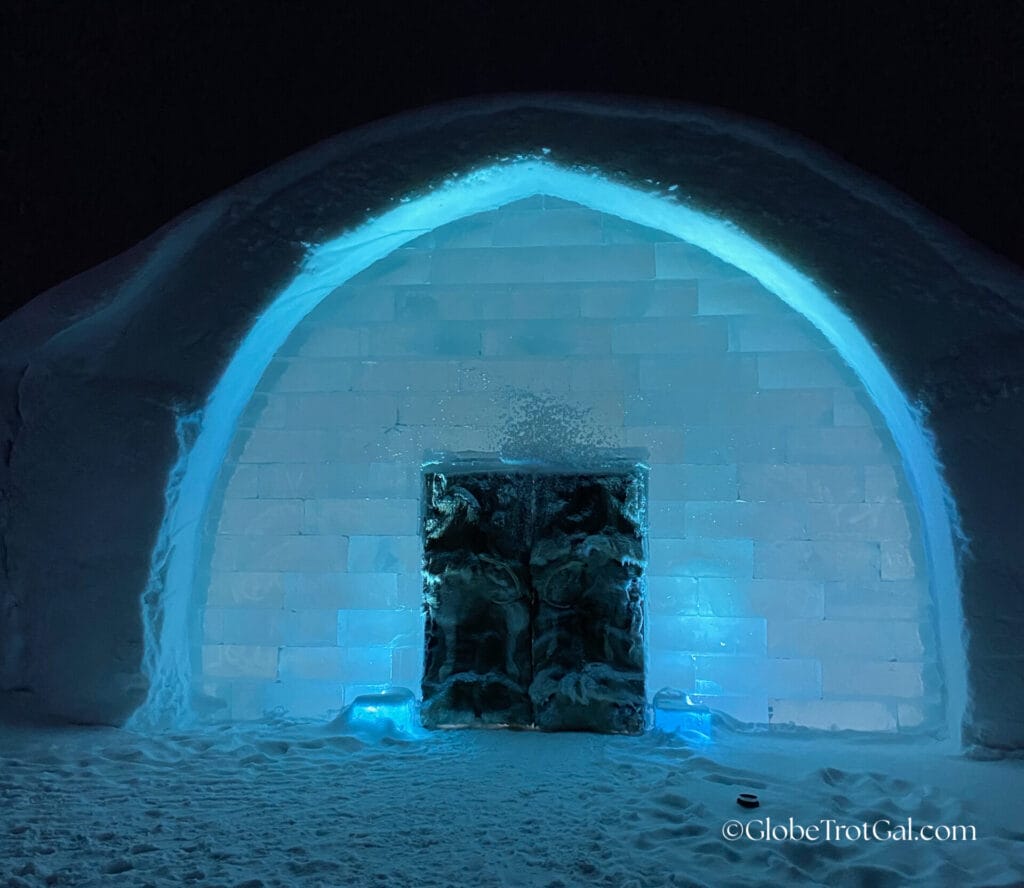
The Icehotel is a blend of luxury lodge and living art museum. The property is divided into two main cold sections, which house 53 ice rooms in winter and 18 in summer:
- Icehotel (Seasonal): Rebuilt every winter from snow and ice, this portion melts away in spring, so no two visits are ever alike. The seasonal section is attached to the warm locker room area, making it easy to access without stepping outside. This part of the hotel also includes the wedding chapel, a stunningly carved space perfect for Arctic-themed ceremonies.
- Icehotel 365: This permanent structure is kept frozen year-round in a solar powered refrigerated building, so yes, you could stay in an ice room in the middle of July if you wanted to. The Icebar is located in this building, but note that you’ll need to cross an outdoor courtyard to get to it from the locker room area (more on that slight issue later).
Types of Ice Rooms
The Icehotel offers three types of ice rooms to fit different budgets and preferences, all kept at a brisk 23°F (-5°C):
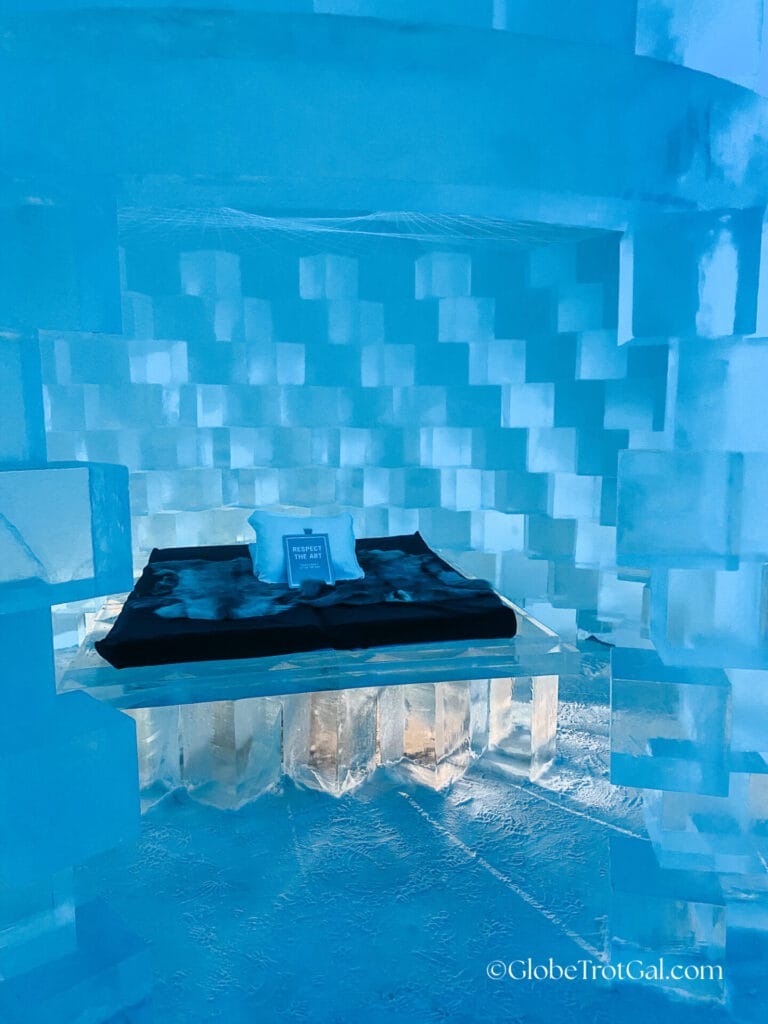
- Standard Ice Rooms: Minimalist in design, these rooms feature a basic ice bed and are perfect for those who want the full ice experience without breaking the bank. Guests in these rooms get a locker for their belongings in the shared locker room facilities.
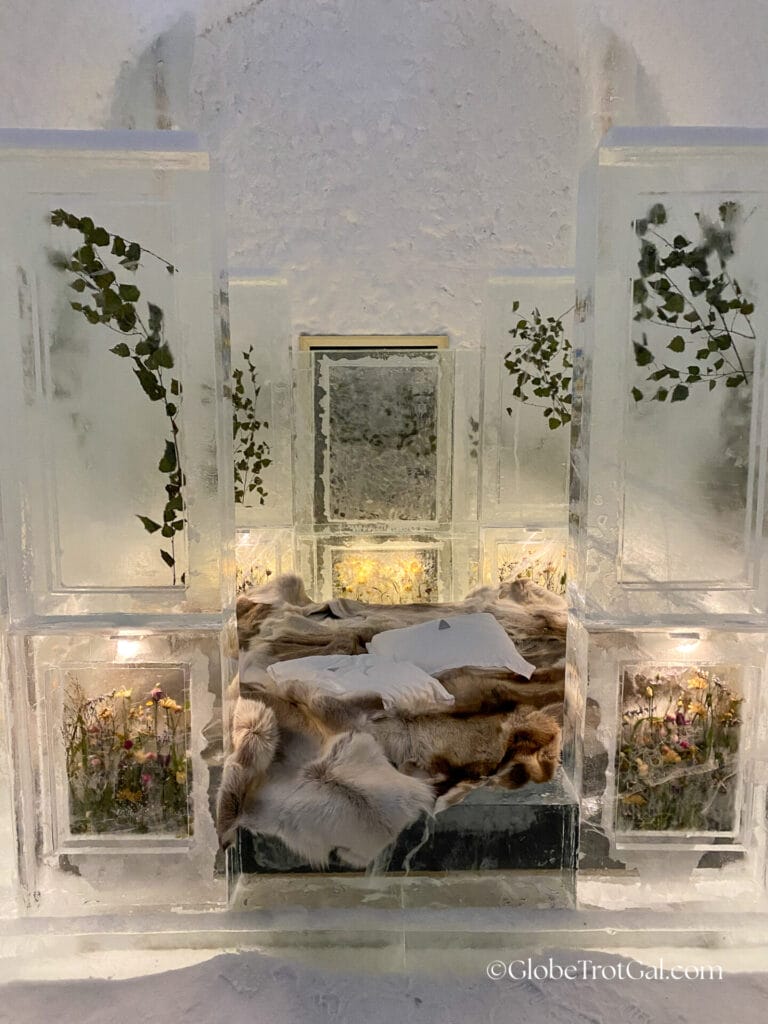
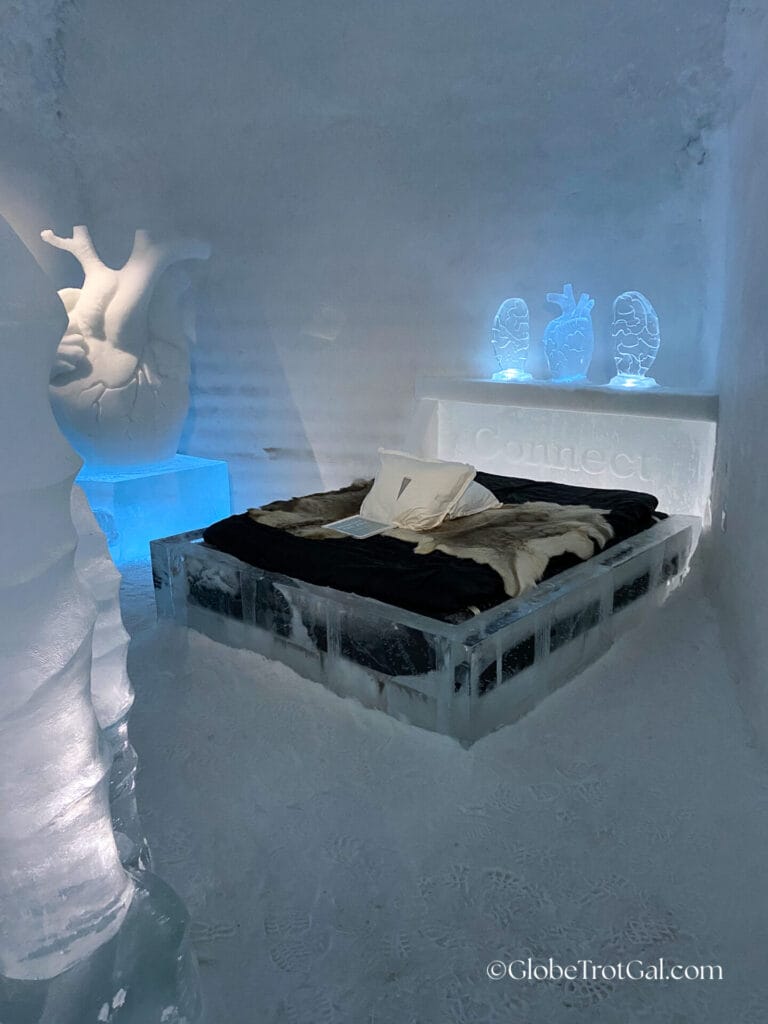
- Art Suites: Designed by different artists every year, these rooms are works of art, each with its own theme and unique carvings. They include a private changing cubicle in the shared locker room area with plenty of space for your belongings. There are art suites in both the seasonal and 365 cold areas of the hotel.
- Deluxe Art Suites: The most luxurious ice rooms, these are the largest of the ice rooms and include private, heated bathrooms with saunas attached directly to the suite. If you’re looking for a blend of novelty and comfort and easy access to warmth, this is the way to go. A few couples in my tour group ended up in these rooms and they are truly spectacular. These are in the 356 building.
Warm Rooms
If you’re not ready to commit to an ice room—or you’ve tried it and are ready to thaw out—the Icehotel also has 44 warm hotel rooms and 28 warm chalets. These accommodations are cozy and practical, with radiant floor heating, comfortable beds, and all the modern conveniences you’d expect from a traditional hotel. Staying in a warm room is a great option for families, or for guests who want to enjoy the Icehotel without the chill of sleeping on ice. You can still explore the cold portions of the Icehotel during the day to see all the rooms.
Common Areas
For warm respite, the Icehotel has a heated locker room area where you’ll store your belongings. There’s also a separate building with a bar and lounge in the main reception area, perfect for warming up after a chilly adventure. The on-site restaurant, just across the street, is known for its excellent food, including Arctic specialties like reindeer and lingonberries.
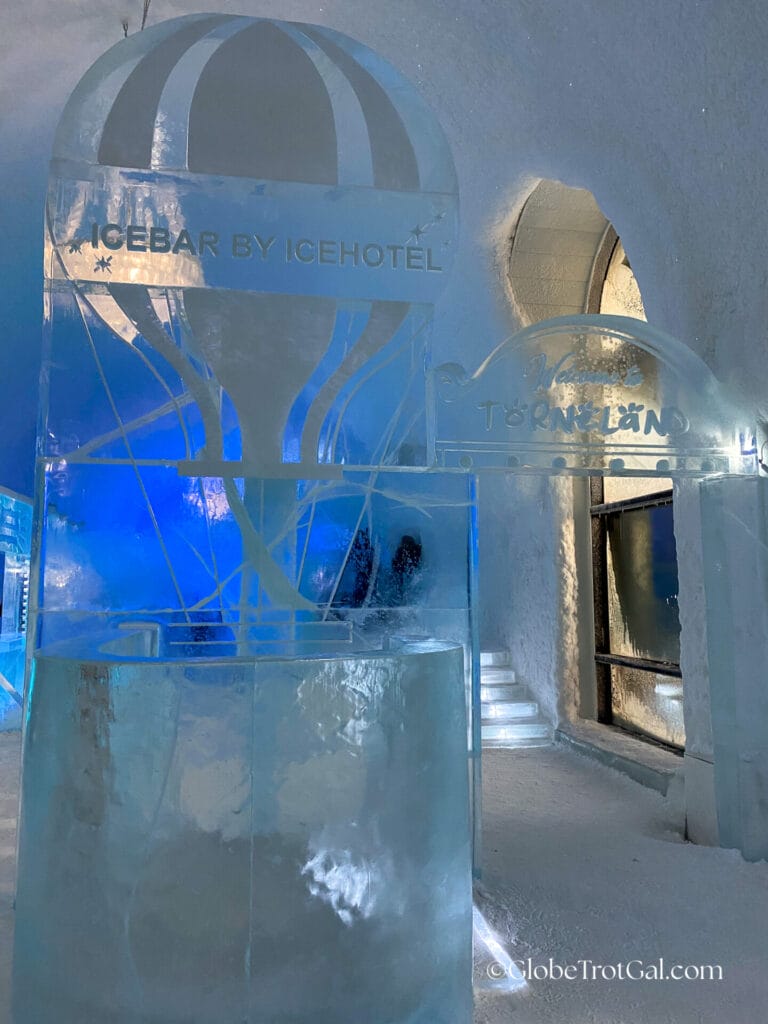
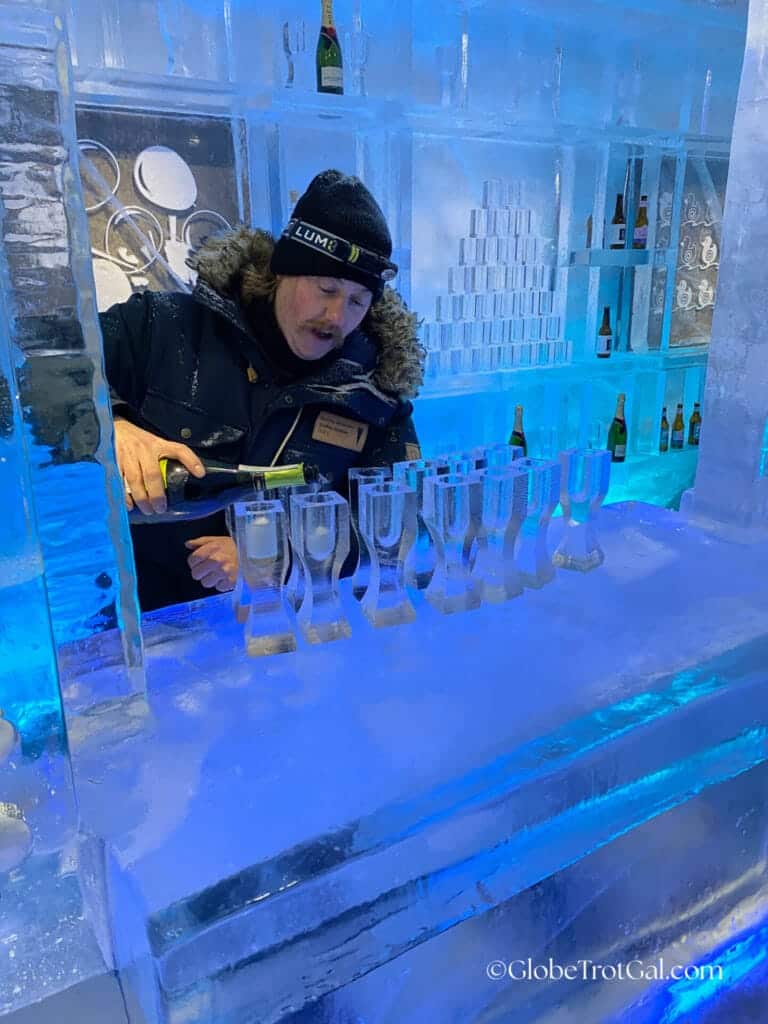
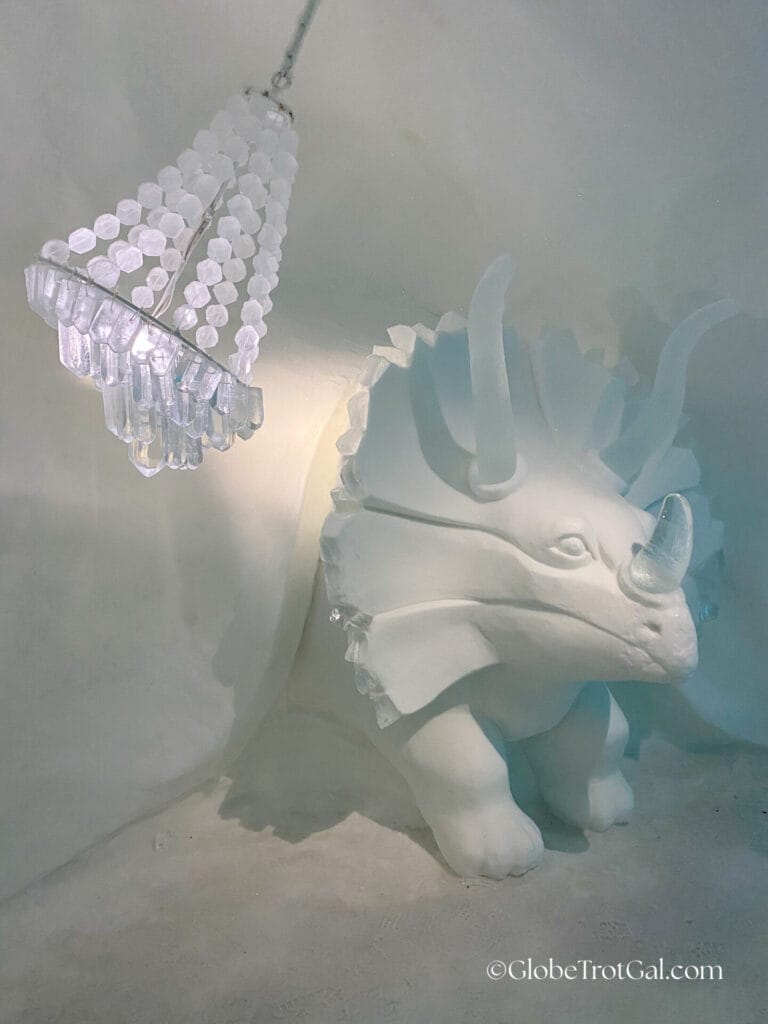
One of the highlights of the Icehotel is its Ice Bar in the 365 building, where everything from the bar counter to the chandeliers to the champagne flutes are made of ice. Like much of the Icehotel, it’s a bit more about the experience than practicality (ice champagne flutes keep it cold but are a bit difficult to drink out of). Drinks are on the pricey side, but how often do you get to enjoy a cocktail in a bar carved out of ice?

How Is The Icehotel Built?
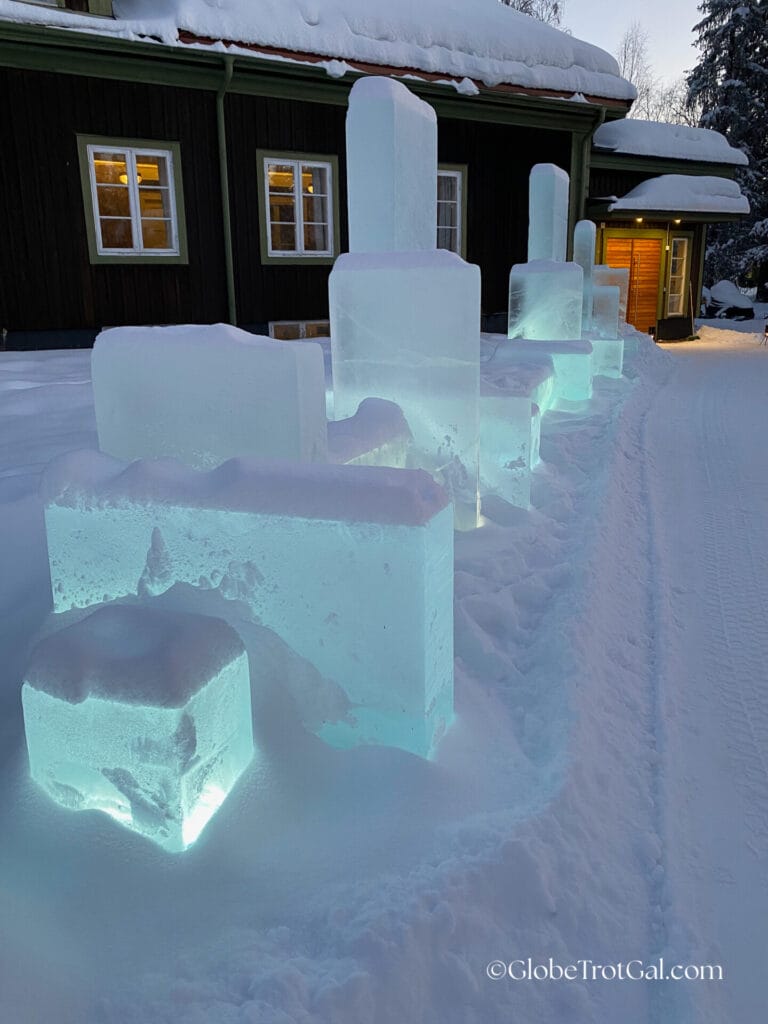
One of the most fascinating things about the Icehotel is how the vast majority of it is rebuilt every year and has been since 1989. In the early spring, 2-ton blocks of ice are harvested from the nearby Torne River—a massive frozen waterway that’s an integral part of the hotel’s story. The ice is then stored in a giant, frozen warehouse to keep it intact through the summer months.
When it’s time to rebuild, the ice is used to create the seasonal section of the Icehotel, which melts back into the river each spring. This sustainable cycle makes every year’s seasonal Icehotel completely unique, with new designs and fresh artistry.
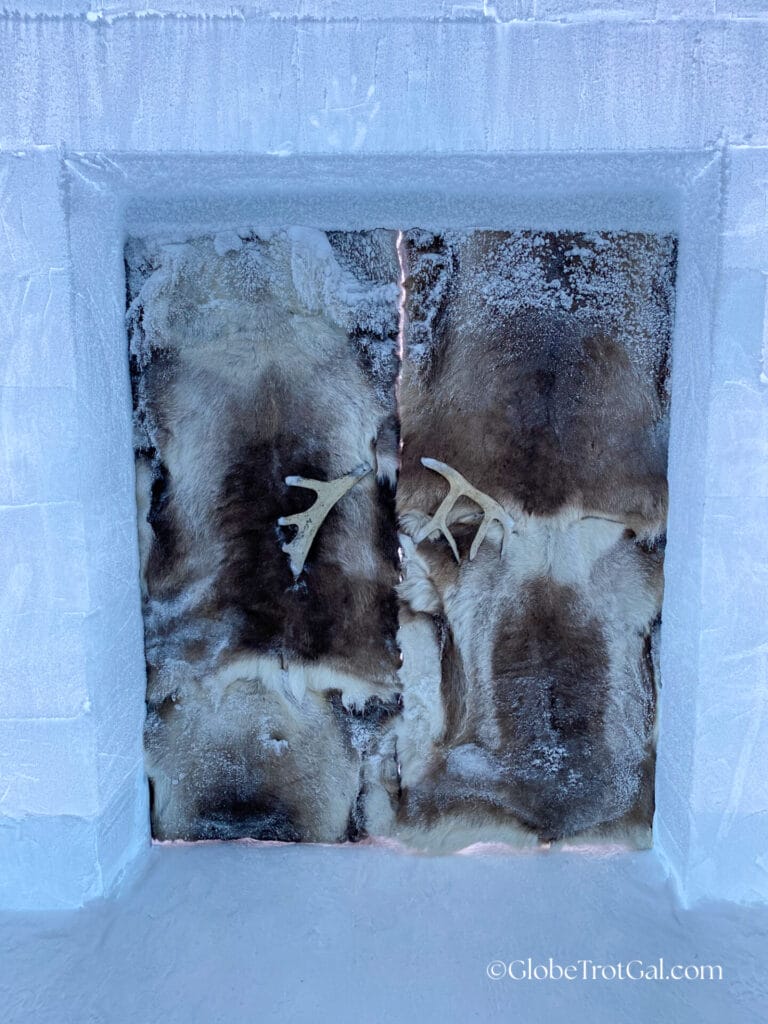
While the Icehotel is not 100% ice, it’s close. The non-ice and non-snow portions are things like doors/curtains, lighting, electrical, mattresses, bed frames, and smoke alarms.
The Warm Room Experience
I was traveling with a tour group, and we were originally supposed to spend our first night in the cold room and the second in a warm room. Our room reservation got swapped somehow and we ended up starting with a night in a warm room—something I appreciated more after my icy ordeal.
The warm rooms are in separate large cabin structures a short walk from reception. There are also private chalets with multiple bedrooms and kitchenettes if you’re traveling with a larger group. The warm rooms are basic, but have everything you need, including radiant floor heating, which keeps the rooms incredibly warm and cozy. The rooms were very clean, the beds were comfortable, there was plentiful hot water in the bathroom, and the space felt homey.
The Ice Room Experience
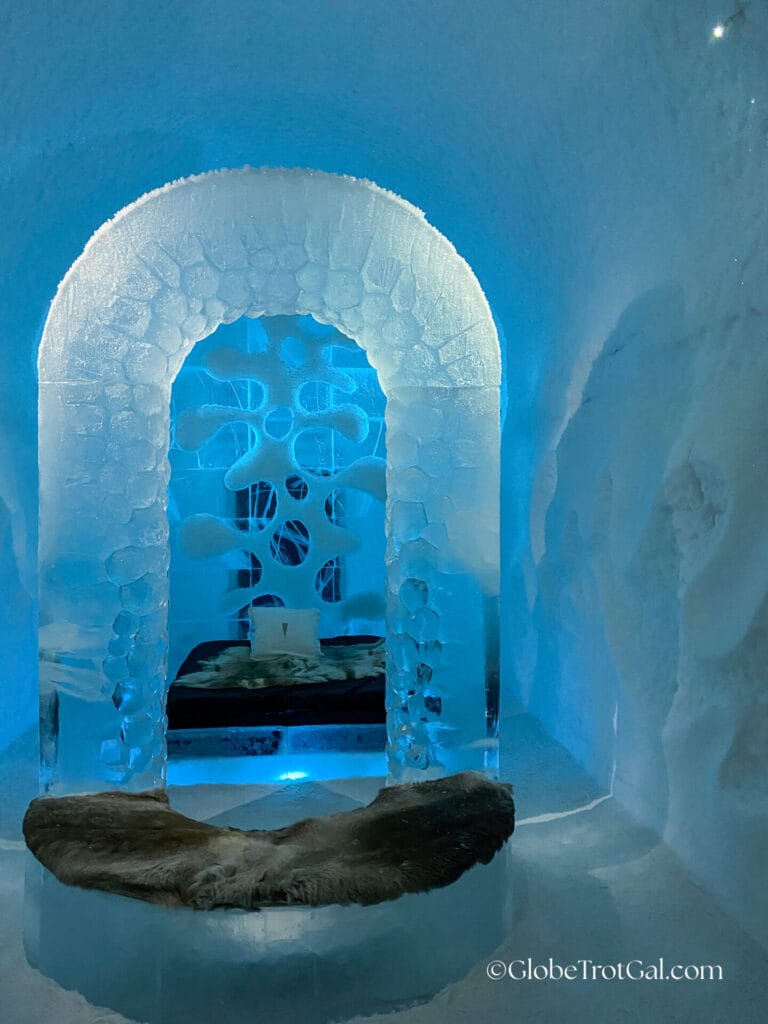
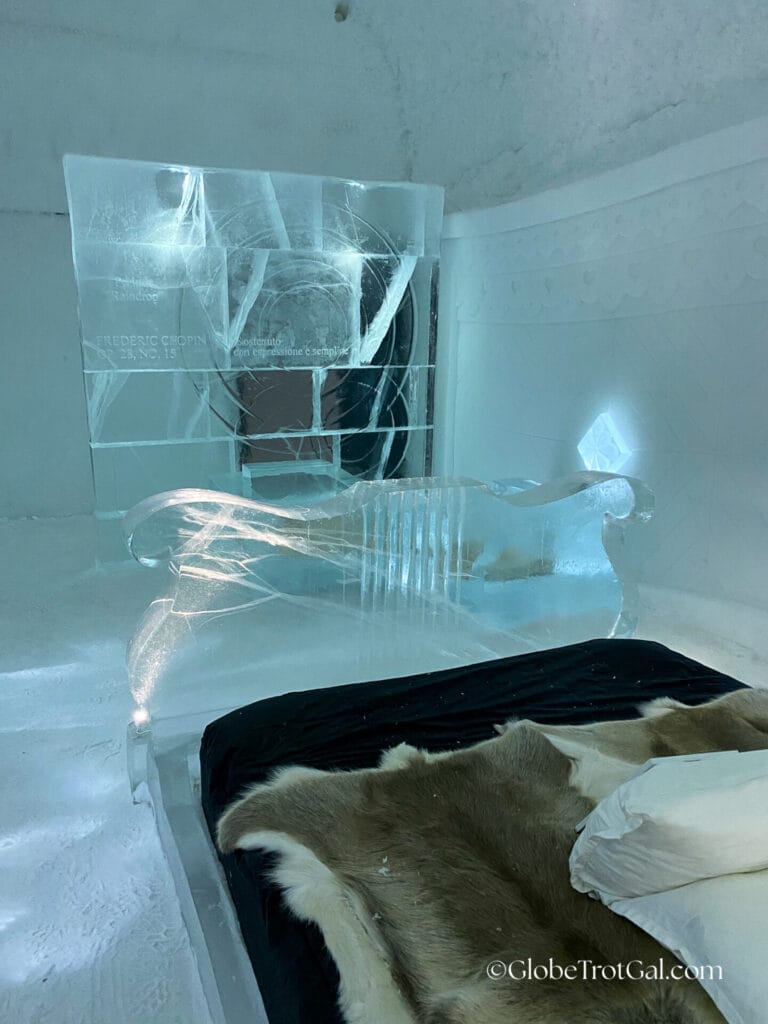
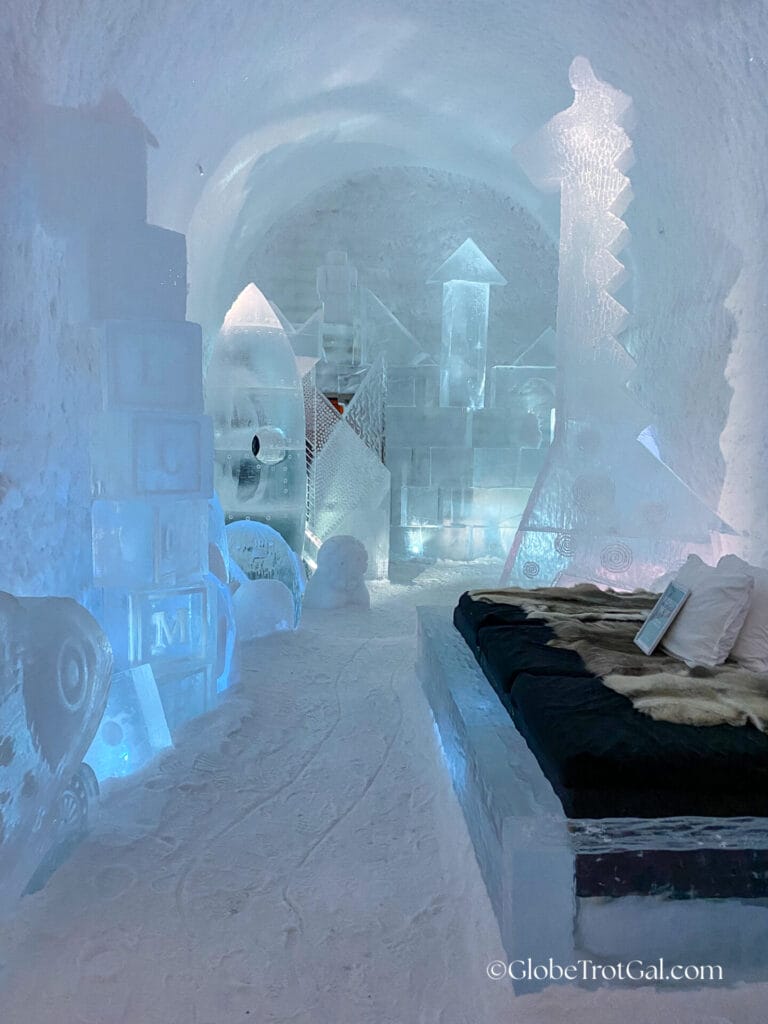
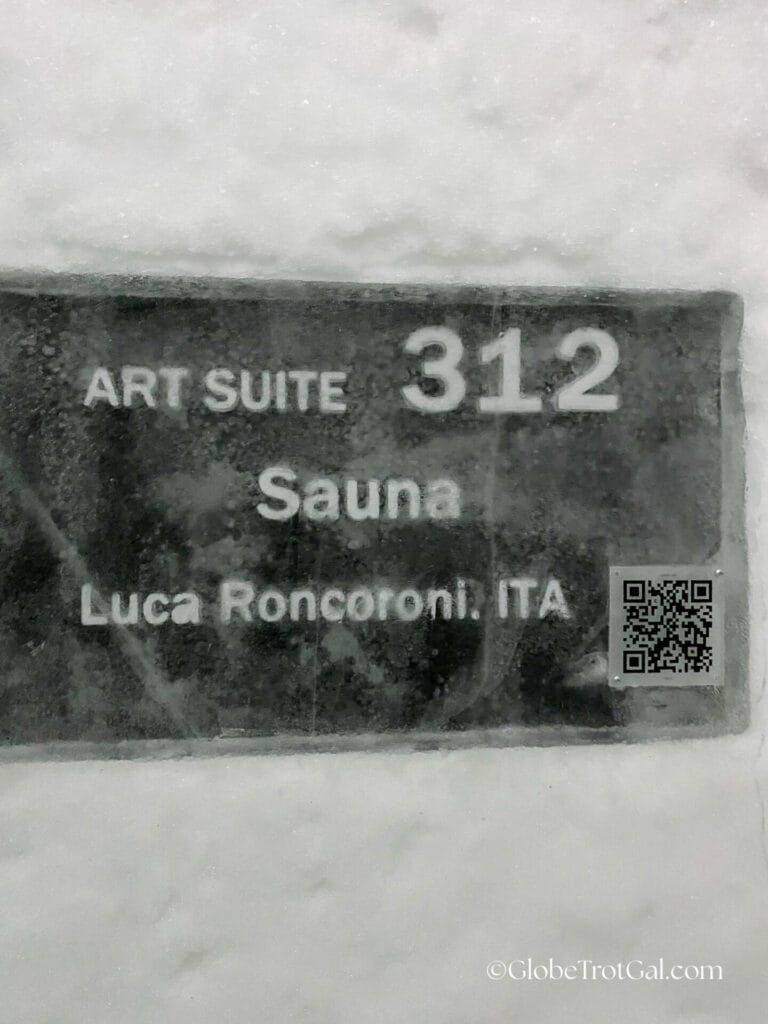
The next night, I was booked into one of the Icehotel’s art suites. There are art suites in both cold sections of the Icehotel, but mine was located in the 365 building. Each suite is uniquely designed by an artist, and mine was styled as a spa, designed by an Italian artist.
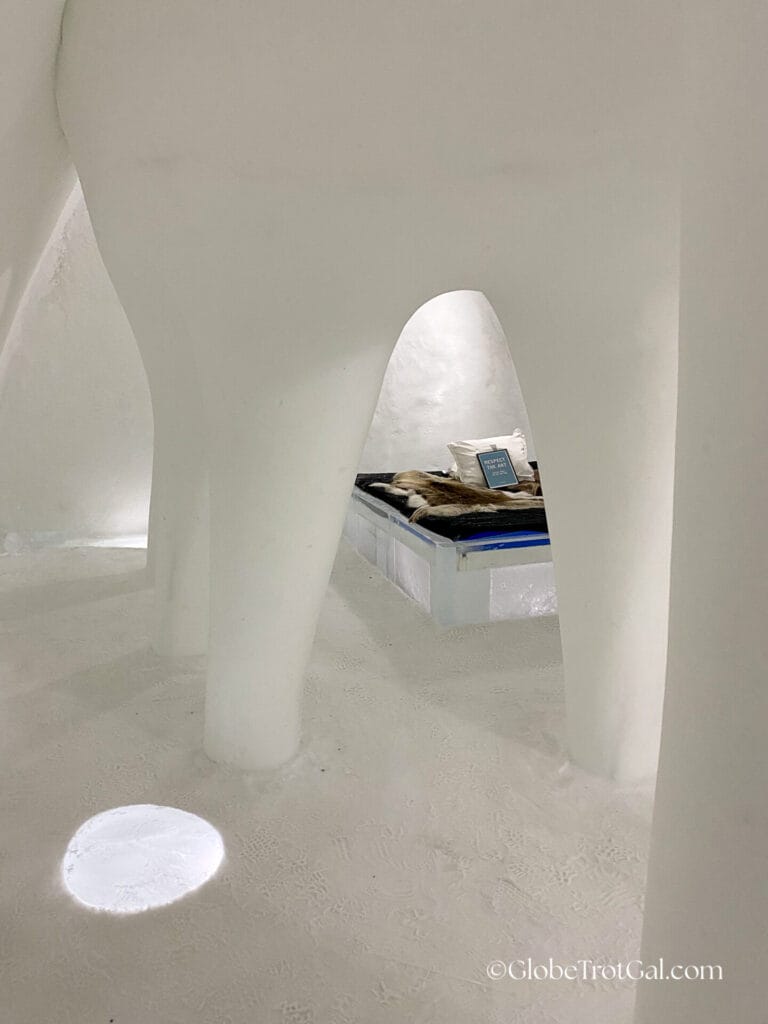
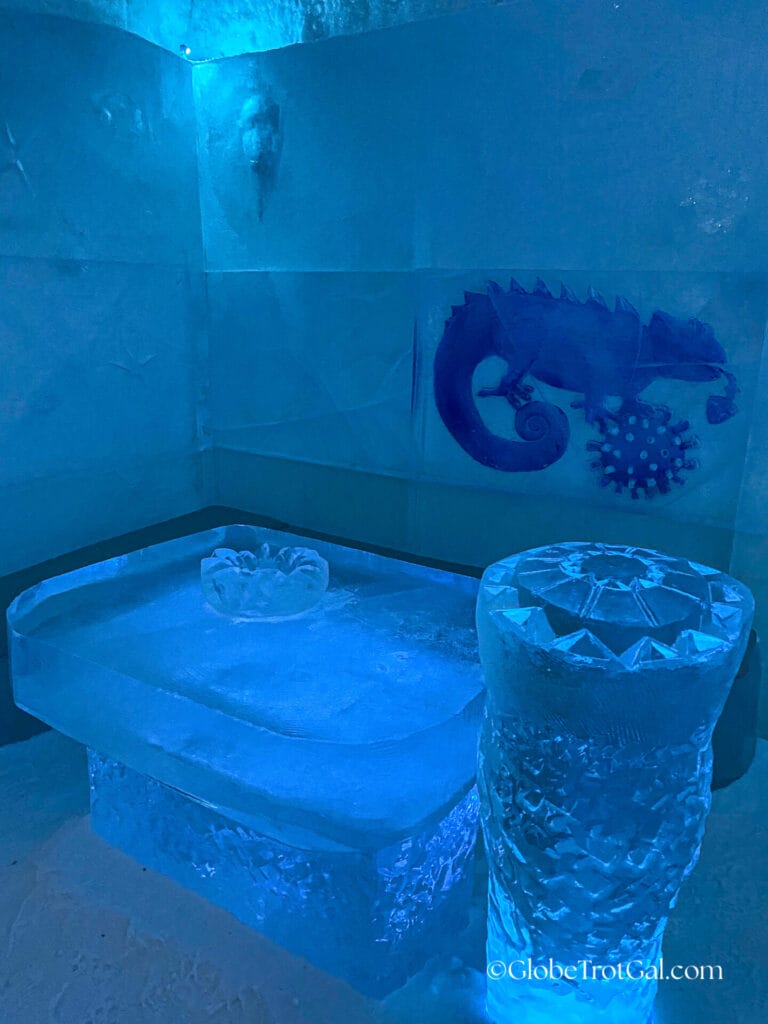
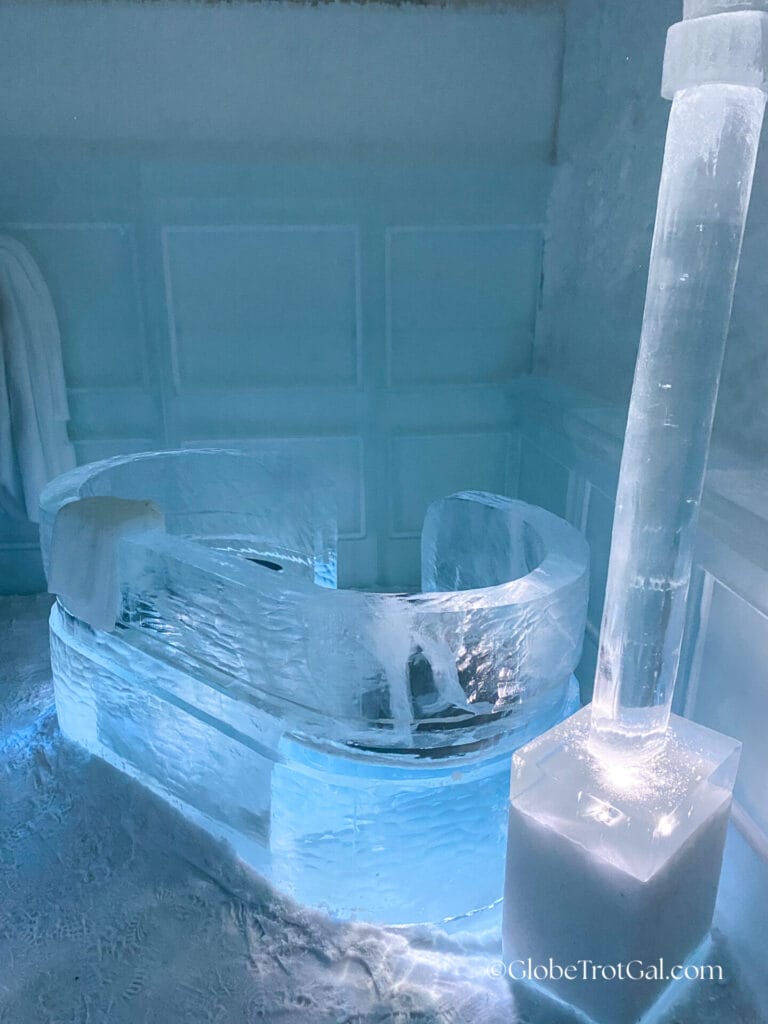
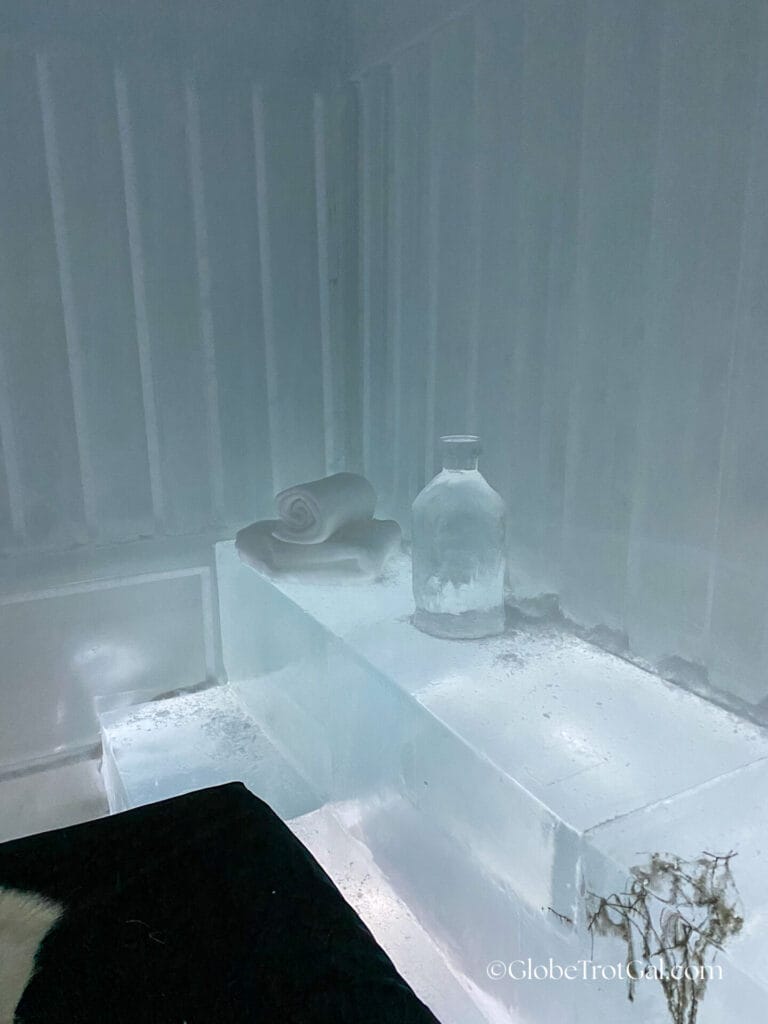
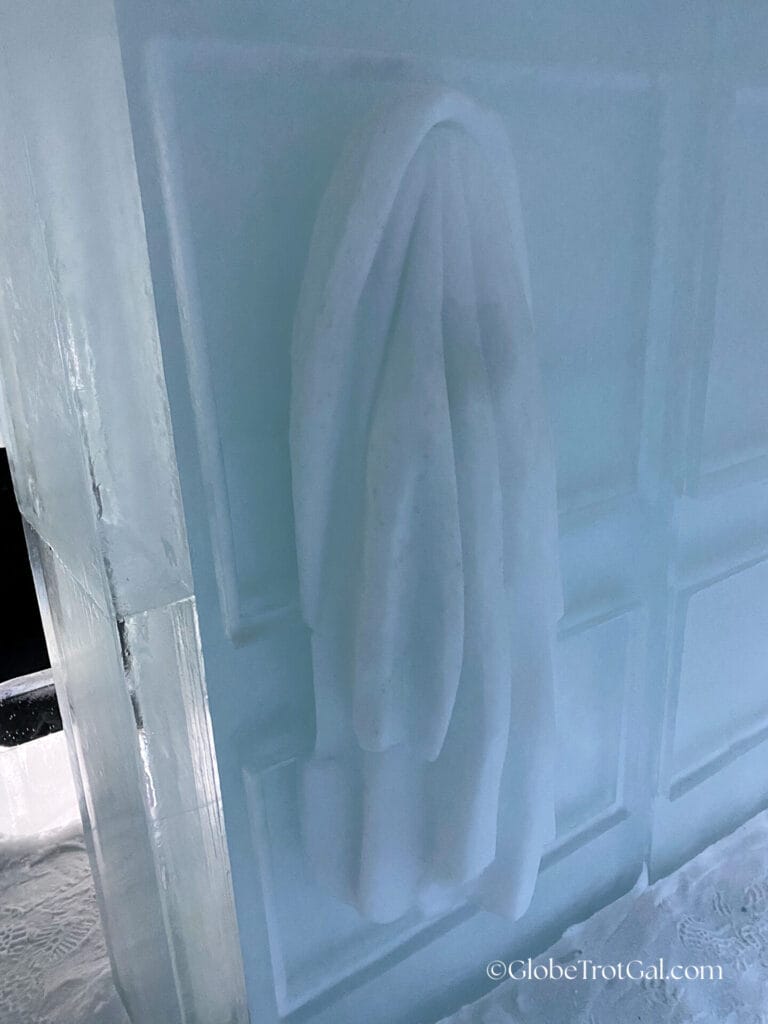
The standout features? A bathrobe and towel carved entirely out of ice, resting on what looked like a frozen spa bench and a hot tub made of ice. It was impressive to see, but as I soon discovered, appreciating the artistry and actually sleeping there are two very different things.
What Are The Ice Rooms Like at the Icehotel?
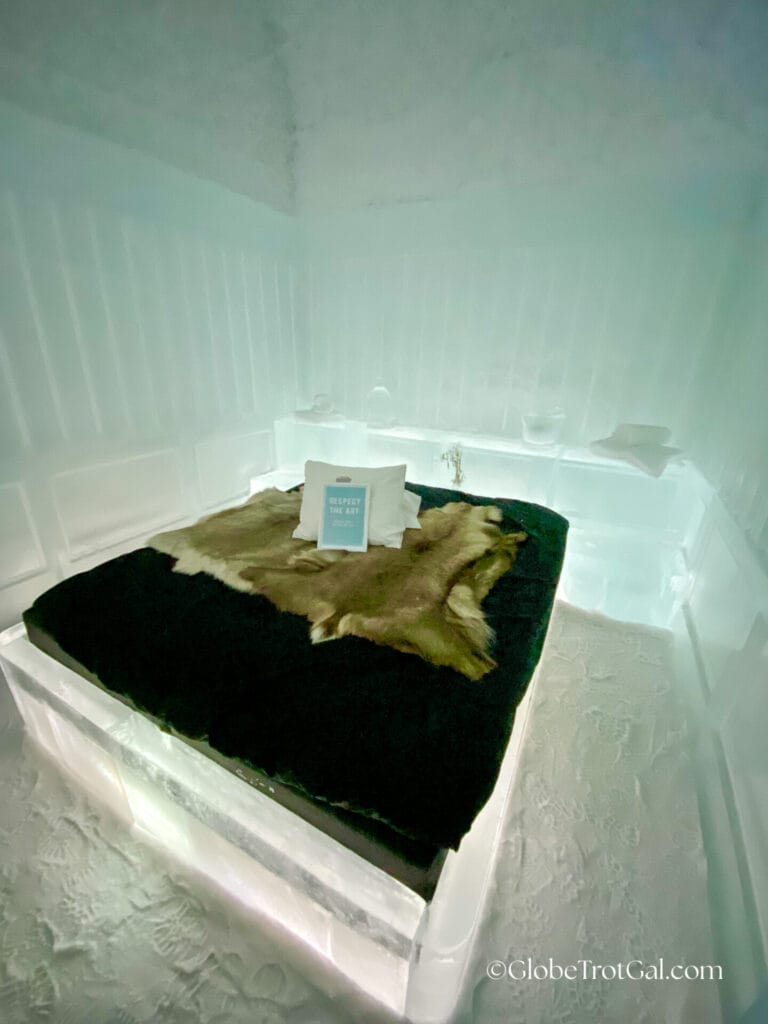
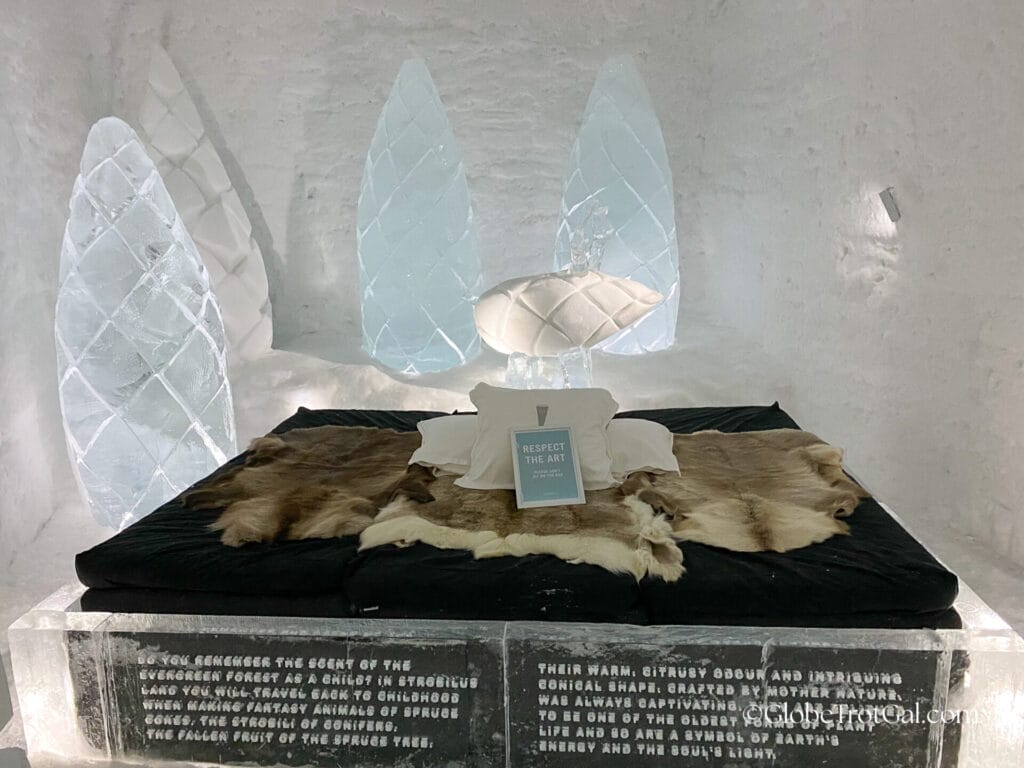
Inside your room, you’ll find a bed frame made of ice with a wooden platform in the center. On top is a mattress covered with reindeer hides for insulation and two pillows.
Each room has light switches near the door and the bed frame, which is a thoughtful touch since crawling in and out of a sleeping bag just to turn off the lights to find your way back to an ice bed in pitch-black darkness would be brutal.
And there are smoke detectors in every room, which I found a bit entertaining given that the entire hotel is basically a giant fire extinguisher. (Understandable though because of Swedish hotel laws requiring them, even if the hotel is, you know, made of water.)
What Is the Shared Locker Room and Bathroom Area Like?
The locker room facility is your warm base of operations during a stay in the Icehotel’s cold rooms, and it’s designed to make the experience as smooth and comfortable as possible.
The mens and womens bathroom areas includes everything you need: a changing area with hooks, sinks, toilets, private showers with curtained stalls, and of course, a sauna. Thanks to the radiant floor heating, the entire space is gloriously warm—a welcome relief after time spent in the cold.
If you’re staying in a regular ice room, you’ll be assigned a locker to store your belongings. It’s functional and secure, but you’ll need to take only the essentials—like your sleeping bag, liner, and boots—into the cold room with you.
Art suite and deluxe art suite guests get private cubicles with locking doors. These have a built-in bench with plenty of room to spread out your suitcase and change in privacy. If you’re splurging on a deluxe art suite, you’ll have a private warm bathroom with a sauna attached directly to your room. That means no shared locker room for you, and your luggage can stay in your personal bathroom.
The locker room also features a 24-hour manned counter where you’ll collect your sleeping bag and liner. This is also where you can borrow Arctic boots and snowsuits if you need a little extra warmth for your adventures.
There is also a small lounge area, but the seating is limited.


What My Night In an Ice Room at the Icehotel Was Really Like
1. Killing Time Before Check-In
If you’re moving from a warm room to a cold room, be prepared for a 6–7 hour window where you won’t have a room to hang out in. The hotel recommends planning activities during this time, and honestly, they’re right—you’ll want something to keep you busy. My tour group had scheduled a snowshoeing excursion followed by a visit to the Sami museum, both of which I’d absolutely recommend (more about those later). Though I still had several hours after dinner to kill before heading to bed in my ice room. This is where a little more seating/space in the locker room lounge area would have been nice.

2. Preparing for the Night
When it’s time to check into your ice room, you’ll start in the warm locker room area, which serves as your base camp. Here, you’ll get a full briefing on how to survive the night, complete with advice on what to wear, how to use the sleeping bag, and other tips to make it through the icy experience.
You’ll also get your locker or private cubicle assignment if you’re staying in an art suite.
At the counter, you’re issued:
- A thermal sleeping bag: Expedition-grade and designed to keep you warm even in extreme cold. They have single and double sleeping bags.
- A cotton liner: A lightweight layer that goes inside the sleeping bag for added insulation and to prevent direct contact with the sleeping bag itself.
The clothing advice may feel counterintuitive at first: they recommend wearing only a single layer of thermal long underwear or similar lightweight pajamas. Overdressing can trap too much air inside the sleeping bag, making it harder to retain heat. And whatever you do, don’t cover your face with the sleeping bag. Breathing into the bag introduces moisture, which can quickly turn into cold, damp misery. Also, the pillow goes under your sleeping bag, not inside of it.
Want to save this post for later?
You also want to make sure you sleep on top of the reindeer hides which are on top of the mattress. These serve an important insulation function because reindeer’s fur is hollow, so it provides a bit of a barrier between your sleeping bag and the freezing cold mattress.
Another important tip: don’t head to your ice room until you’re ready to sleep. These rooms aren’t designed for lounging or hanging out—there are no chairs or cozy corners, just a bed of ice and reindeer hides. Spend your evening in the warm lounge, then bundle up in your sleeping bag and make a beeline for your room when it’s time to call it a night.
As for what to bring to the ice room, pack light. You only take your boots, sleeping bag, and maybe a hat and gloves. Coats, electronics, or anything else that doesn’t stay inside the sleeping bag will freeze solid overnight.
3. Nighttime Logistics
At 6 p.m., the Icehotel ushers out day visitors, and the rooms become available to overnight guests. If you’re staying in a seasonal room, you can head straight from the locker area into the seasonal Icehotel. If you’re in Icehotel 365, like I was, you’ll need to brave a VERY cold dash across the outdoor courtyard.
4. The Sleeping Bag
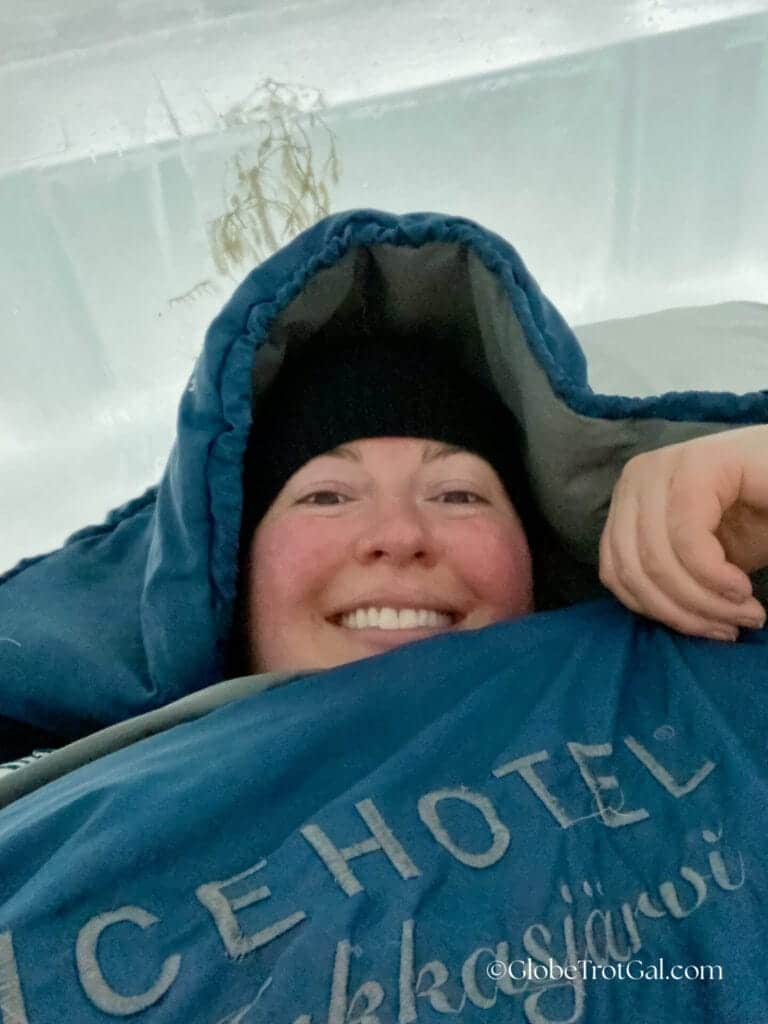
This part was where I got on the struggle bus. The sleeping bag is a mummy-style cocoon designed to zip up tightly so there’s no extra air circulating around you. The idea is to trap your body heat, but as someone who’s VERY claustrophobic, I found it panic inducing.
After a few minutes of trying (and failing) to relax, I gave up, unzipped myself, and sprinted across the courtyard in my thermals to trade it for a double-size sleeping bag. The staff told me, “sure, but you’ll be cold,” and they weren’t wrong, but there was no way I was getting any sleep at all in the single mummy bag. Adding another layer of clothing probably would have made a big difference, but there was no way I was running across that outdoor courtyard again (twice) to retrieve it.
5. The Actual Sleeping
“Slept like a baby” is the exact opposite of how I’d describe my night. Ice absorbs sound, so the room was dead silent, which was way too quiet for someone who is used to some city noise at night. The larger sleeping bag helped with claustrophobia, but it was definitely colder than the single. And I actually really like sleeping in a cool room, but this was a little too cold. Since you’re not supposed to cover your face with the sleeping bag, my nose refused to warm up no matter what I did. I tried swaddling it with the single sleeping bag liner I’d forgotten to return, being careful not to breathe directly into it (moisture is the enemy), but it only sort of worked.
At best, I think I got maybe two hours of sleep. Between the cold, the silence, and thinking too hard about the fact that the ceiling above me was made of ice, I spent most of the night awake trying to get warm and/or comfortable.
6. Morning Relief
When my alarm went off at 6 a.m., I’ve never been so relieved to start a day on (maybe?) two hours of sleep. I grabbed my boots (which at that point were slightly frozen to the floor) and made a beeline for the warm bathrooms in the 365 building. That’s when I noticed lockers in the bathroom—lockers I could have used to stash extra “just in case” layers close by to avid the trek across the outdoor courtyard back to the locker room. Oh well, lesson learned, a little too late.
Tips for Surviving a Night in an Ice Room at the Icehotel
If you’re planning to brave the cold, here’s what I wish I’d known in advance:
- Clothing advice: A single layer of thermal long johns is best if you can tolerate a mummy sleeping bag. Overdressing can trap air and make you colder. BUT, if you’re in the 360 building, bring some extra “just in case” layers and stash them in the lockers in the warm bathroom area so you don’t have to scurry back across the freezing outdoor courtyard.
- Bring the essentials: A hat and gloves are good ideas. Anything else will freeze.
- Bring a fully charged phone: The seasonal section does not have plugs. There was actually a plug in my room in the 365 building right by the doorway light switch. I guess in theory you could charge something there, though the battery would probably die as quickly as you charged it. Best not to bother with that.
- Prepare for the sleeping bag: Practice zipping yourself in beforehand if you’re claustrophobic or uneasy about confined spaces. Granted, this wouldn’t have helped me, but at least you’ll know beforehand if you need a larger sleeping bag.
- Expect minimal sleep: Unless you’re used to winter camping, between the cold and the novelty, it’s unlikely to be a restful night. Plan on needing a nap the next day (I definitely did!).

What Should I Pack for the Icehotel?
I have a handy Arctic circle winter packing list and advice post that covers nearly everything you’ll need here. But for the Icehotel specifically, you’ll also want to make sure to bring a set of thermal long underwear to use as pajamas.
Pros and Cons of Staying In an Ice Room at the Icehotel
Like any once-in-a-lifetime experience, the Icehotel has its highs and lows. Here’s a rundown of what I loved and what I’d say to brace yourself for—straight from someone who’s been there, done that, and shivered through the night.
Pros
- Unforgettable Setting: Where else can you sleep in a literal work of art made of ice? The Icehotel is stunning, from the intricate details of the art suites to the glowing blue corridors. Even if you don’t stay in a cold room, touring the hotel and having a drink in the ice bar is worth it.
- Unique Experience: Spending a night in an ice room in the original Icehotel is a bucket-list item for a reason. It’s not just a stay—it’s a story you’ll tell for the rest of your life.
- Artistry and Creativity: Each year’s design is completely new, with rooms created by different artists. The changing themes and designs make every visit fresh and exciting.
- Great Food: The restaurant is fantastic, with a focus on Arctic ingredients that feel both special and satisfying. And the breakfast buffet? Chef’s kiss. I’m a sucker for a good breakfast spread.
- Arctic Adventures: There’s so much to do beyond the Icehotel itself, from snowshoeing and Northern Lights tours to dogsledding and visiting the Sami culture museum.
Cons
- It’s Really Cold: This is obvious, but still, a room that is 23°F (-5°C) all night is no joke. Even with all the right gear, you’ll probably feel the chill at some point.
- Sleeping Comfort: Let’s just say this is not the place to catch up on your beauty sleep. Between the cold and the novelty, I barely got two hours of rest.
- Pricey: The Icehotel is undeniably expensive, especially for the ice rooms. If you’re on a tight budget, it’s worth considering a warm room or staying elsewhere in town and just touring the ice rooms during the day.
- Logistical Challenges: If you’re staying in the 365 building, crossing the outdoor courtyard in Arctic temperatures is… invigorating. And by that, I mean freezing.
- Not for Everyone: If you’re claustrophobic (hello, me in that sleeping bag) or sensitive to the cold, the ice room experience can feel more like an endurance challenge than a cozy getaway.
While there are definitely some challenges, the pros far outweigh the cons if you’re looking for a one-of-a-kind adventure.
Miscellaneous Icehotel FAQs
How Much Does an Ice Room at the Icehotel Cost?
There’s no way to sugar coat this: it’s not cheap. An ice room, depending on the type of room and the time of year you’re visiting, will likely be between $600 USD/night for a standard ice room to $1,400/night for a deluxe art suite with private bathroom and sauna.
How Much Does a Warm Room at the Icehotel Cost?
Warm rooms are more reasonably priced than ice rooms. You can find the standard warm rooms as low as $200USD/night, though they may be closer to $400/night during the busiest times of winter. Prices will vary based on time of year and demand.
Does the Icehotel Melt?
Only part of it and not when you’re staying there! The seasonal portion of the Icehotel melts back into the Torne river each spring and is rebuilt from scratch each winter.
Can You Visit the Icehotel Without Staying?
Yes, the Icehotel and Ice bar are open to visitors daily until 6PM and you can visit all of the ice rooms. A day pass is about $35 USD and you purchase that on site; there are no advance sales for day tickets. The Icehotel is cash free.
Where are the Bathrooms in the Icehotel?
If you’re staying in the seasonal portion of the Icehotel, the bathrooms are in the attached warm locker room facilities. If you’re in the 365 building, there are warm bathrooms in that building that don’t require running outside to get to the locker room facilities. There are also bathrooms in the reception/bar/lounge building and in the restaurant building. All warm rooms have private bathrooms.
What Activities Are Available at the Icehotel?
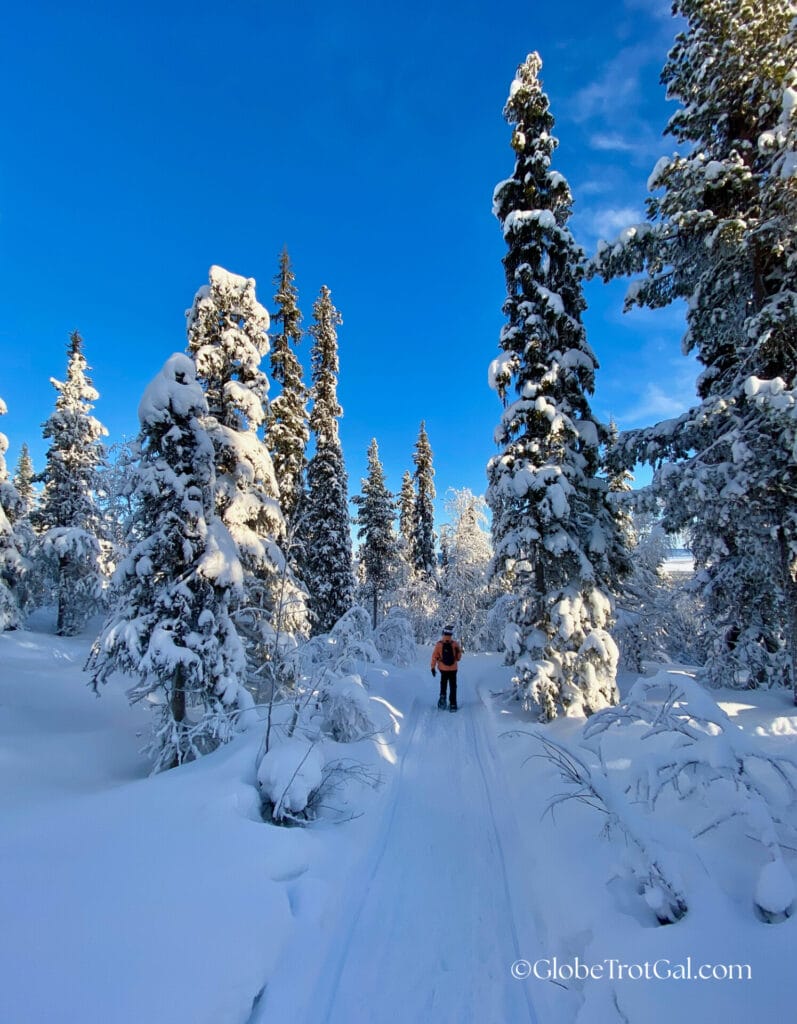
The Icehotel isn’t just about icy rooms—it’s also a great jumping-off point for all kinds of Arctic adventures and cultural experiences. During my stay, two activities stood out as absolute highlights: snowshoeing and visiting the Sami museum.
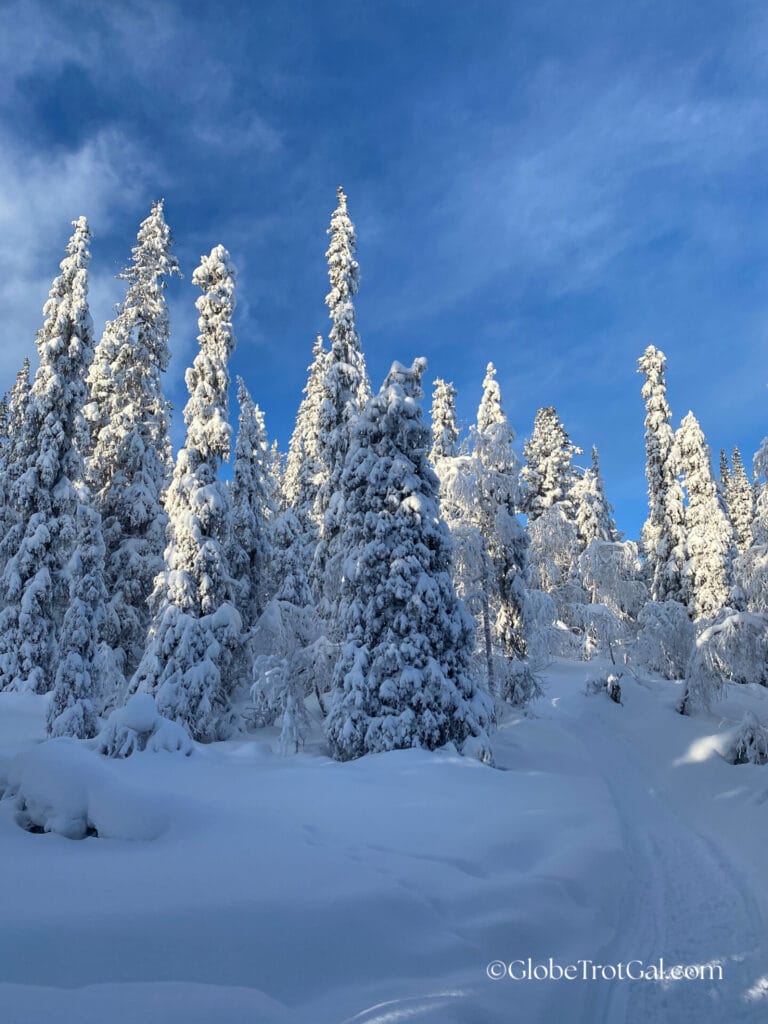
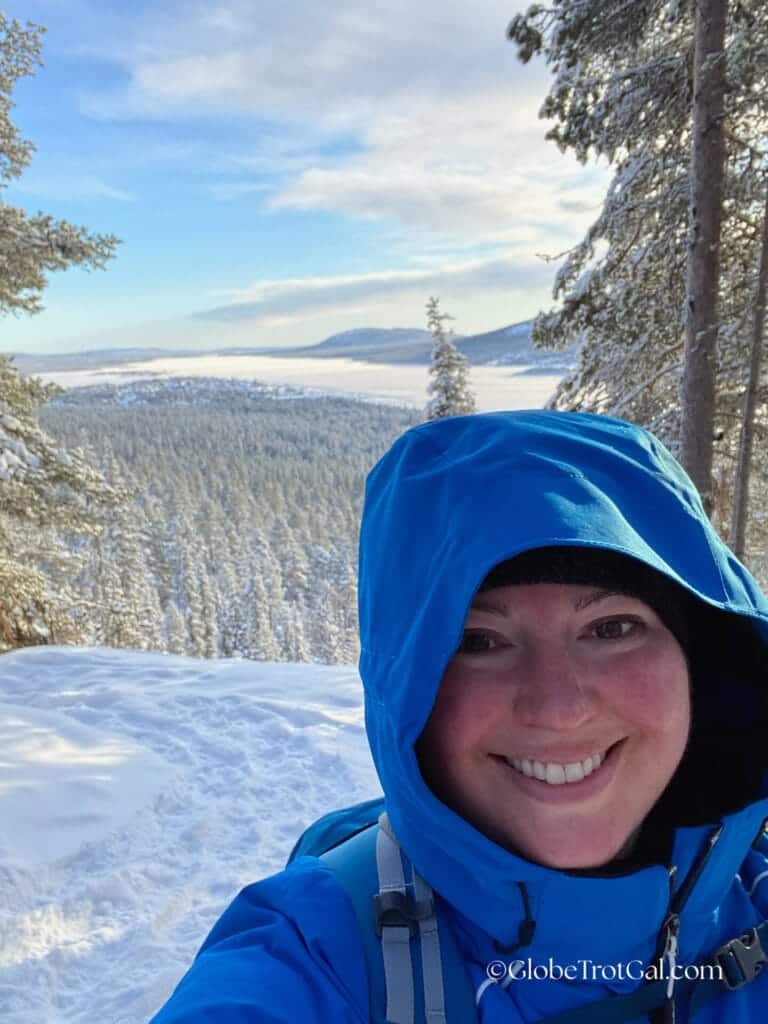
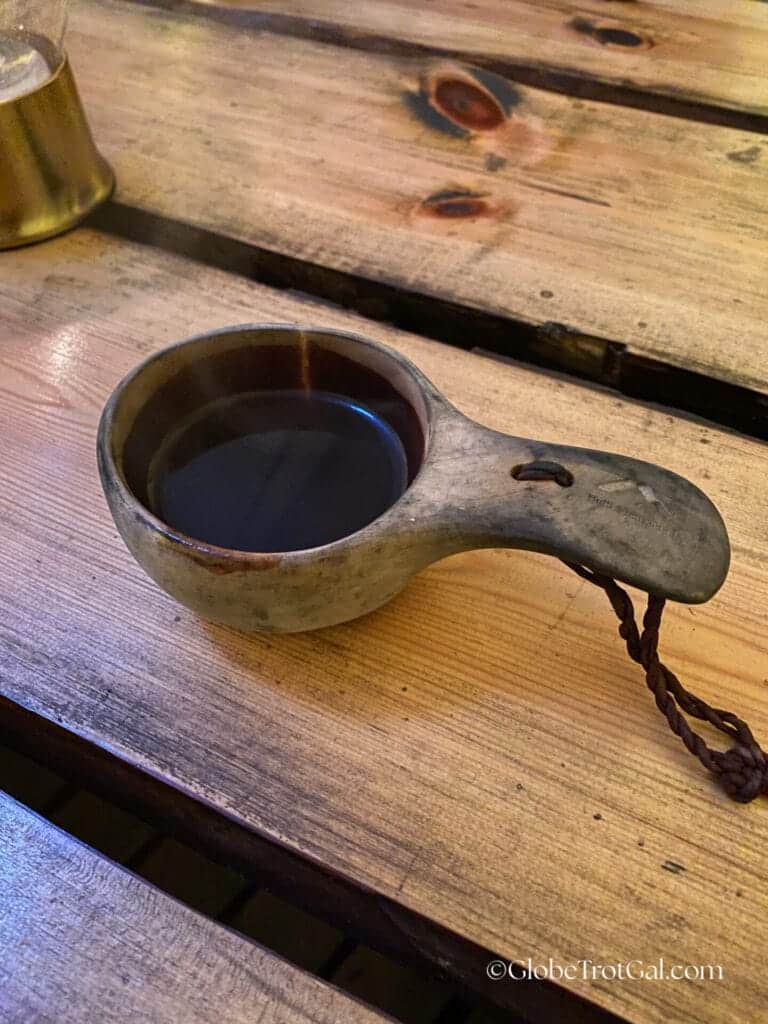
Snowshoeing through the snow-covered pine forests was like stepping into a literal snow globe. Our guide from the Icehotel made the experience even better by building a fire right there in the snow and heating up lingonberry juice for us.
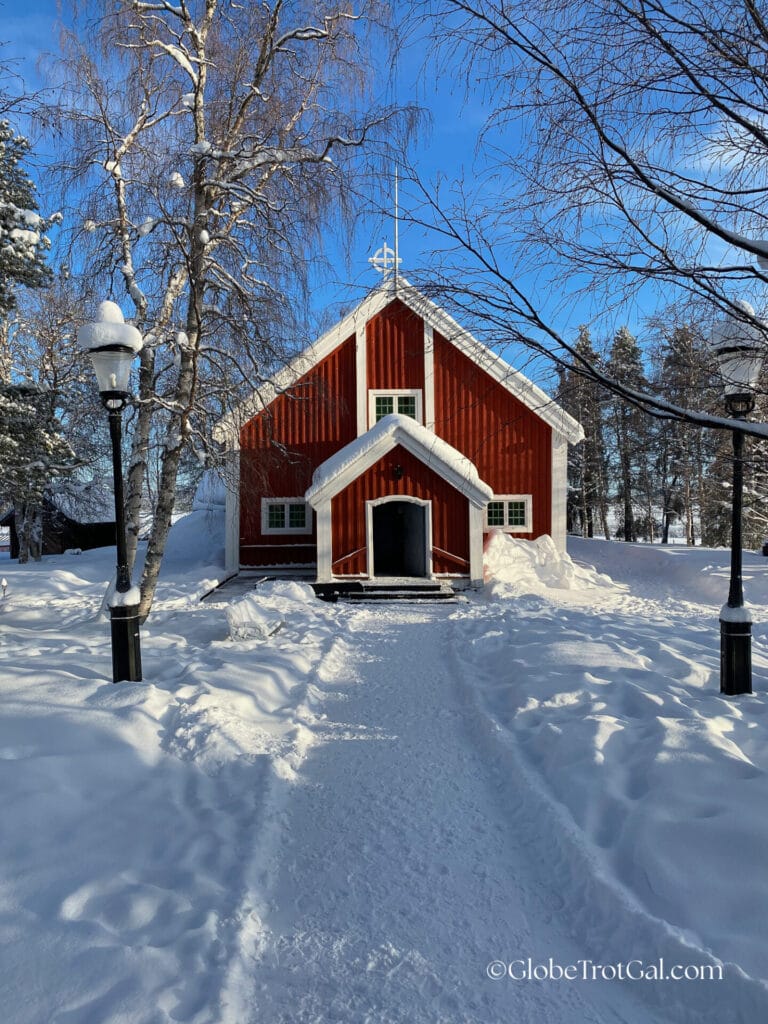
The open-air Sami culture museum – Nutti Sámi Siida – was another standout. It’s packed with fascinating insights about the indigenous Sami people, their history, and their traditions. We did a guided tour which I’d definitely recommend. (Especially because it also includes the opportunity to feed some friendly reindeer!) It’s the kind of place that leaves you with a new appreciation for the Arctic and the people who have called it home for generations.
And if you’re looking for a truly unique way to arrive or leave, you can book a dogsled transfer to or from the airport. I mean, how often do you get to say you arrived somewhere by dogsled?? While I did not do this on my trip (my tour had dogsledding later in the itinerary) I absolutely would if I went back!
There’s plenty more to do if you have the time, like snowmobiling, reindeer sledding, ice sculpting, cross-country skiing, and of course, chasing the Northern Lights.

Is There Food Available at the Icehotel?
Yes, there is a restaurant on site and the food at the Icehotel restaurant was fantastic—worth bundling up and heading across the street for, since the restaurant is in a separate building. The focus is on Arctic cuisine, with dishes like reindeer and Arctic char, and desserts topped with cloudberries that make the most of local ingredients. Everything I tried felt thoughtfully prepared and absolutely delicious, the kind of meal that feels special without being pretentious.
Breakfast is equally impressive. The buffet spread is generous and has everything you could possibly need to recover from a night in an ice room (i.e. strong coffee) or fuel up for a day of snowshoeing.

Is Staying in an Ice Room at the Icehotel Worth It?
Am I glad I stayed in an ice room? Yes. It’s a one-of-a-kind experience, and the artistry of the Icehotel is truly incredible. But would I sleep in an ice room again? Unlikely.
If I return to the Icehotel—and I hope I do—I’ll stay in a warm room. The food, activities, and stunning Arctic surroundings make it well worth the trip, but one night in a 23°F (-5°C) room was enough for me. I’d be happy to tour the art rooms during the day and return to my nice radiant heating at night!
Have questions about the Icehotel or planning your own Arctic getaway? Leave a comment—I’d love to help!